
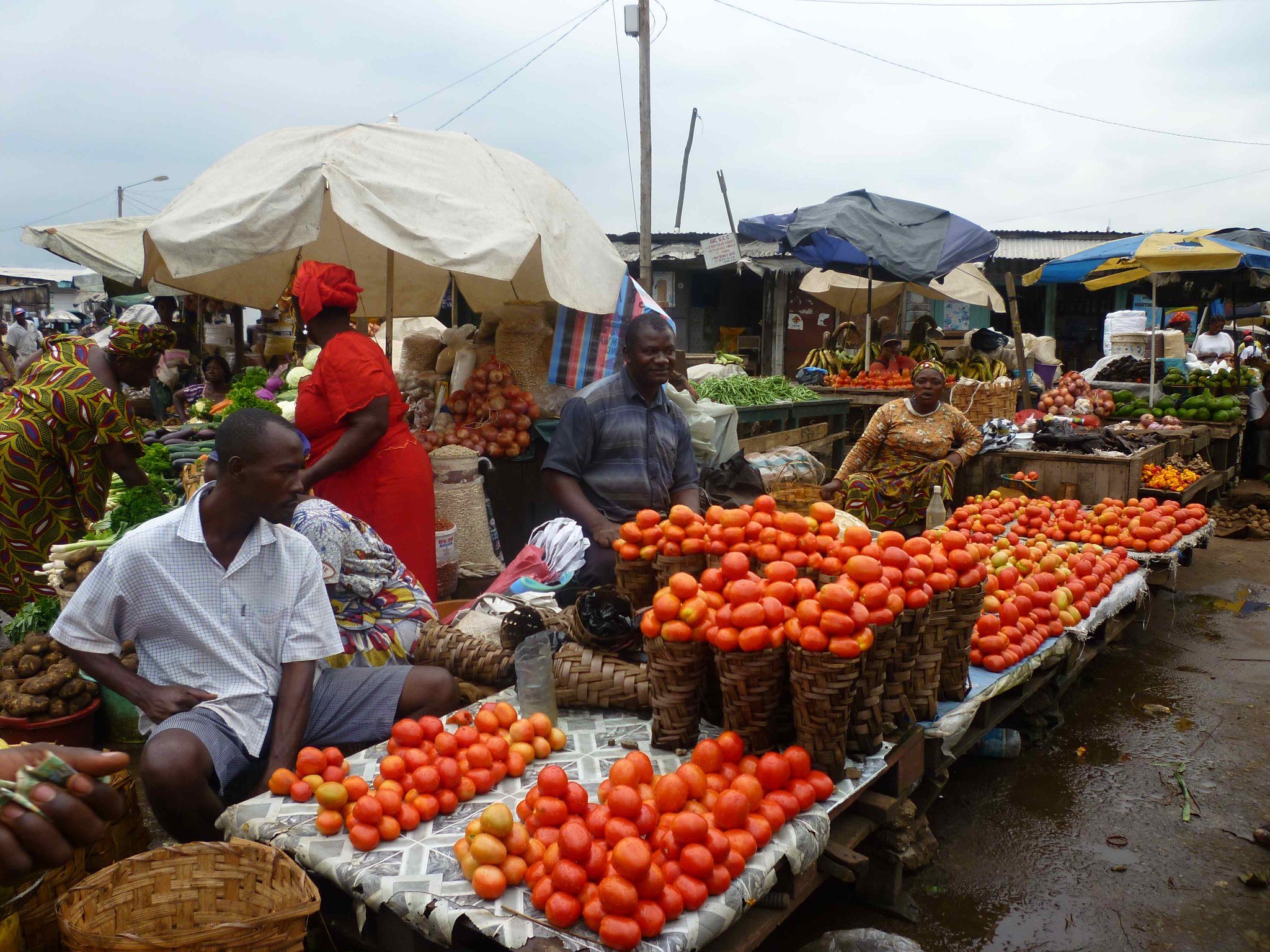
Learn the top market entry challenges businesses face in Cameroon and practical strategies to overcome them. Essential insights for investors and startups.
Cameroon is one of Central Africa’s most promising markets, offering opportunities across agriculture, technology, retail, manufacturing, financial services, and nonprofit development. However, like any emerging economy, entering the Cameroonian market requires careful planning, cultural understanding, and strategic execution.
For both local and international businesses, navigating the complexities of this market can be challenging—yet highly rewarding when approached correctly. In this article, we break down the major market entry obstacles and, more importantly, provide actionable strategies to overcome them.
1. Complex Regulatory and Administrative Procedures
One of the most commonly cited challenges is navigating Cameroon’s regulatory landscape. Administrative requirements—permits, licenses, registrations, and compliance checks—can be time-consuming if not properly managed.
Common hurdles include:
Lengthy company registration processes
Overlapping administrative requirements
Clarity issues around sector-specific regulations
Tax obligations that vary depending on business size and category
How to Overcome It:
Conduct thorough regulatory research before market entry.
Work with local legal consultants familiar with business law.
Use official government platforms such as the Centre de Formalités de Création d’Entreprise (CFCE) for streamlined registrations.
Leverage market research firms for guidance through the regulatory process.
With the right support, administrative procedures become manageable—and predictable.
2. Limited Market Data and Unreliable Information
Accurate and up-to-date market data can be difficult to find, especially for niche industries or emerging sectors. Many businesses rely on fragmented or outdated information, which leads to poor decision-making.
Challenges include:
Lack of credible consumer data
Fragmented industry statistics
Unreliable competitor insights
Overreliance on informal sources
How to Overcome It:
Partner with a professional market research firm that provides verified data, consumer insights, and feasibility studies.
Conduct your own surveys, focus groups, and field research.
Use multiple information sources to cross-check data.
Reliable data is the foundation of successful market entry.
3. Understanding Local Consumer Behavior
Cameroon has a diverse cultural landscape with distinct consumer attitudes, spending habits, and preferences. A strategy that works in Douala might fail in Bamenda or Garoua.
Examples of variations:
Rural vs. urban purchasing power
Language preferences (English, French, and over 200 local languages)
Different levels of digital adoption
Varying expectations of product quality and brand trust
How to Overcome It:
Segment your target market clearly.
Conduct in-depth consumer behavior research.
Localize marketing messages and branding.
Leverage community networks and local influencers.
Understanding your customer at a deep level gives you a winning advantage.
4. Supply Chain and Infrastructure Limitations
Although infrastructure development is improving, some regions still experience challenges related to transportation, logistics, and distribution.
Key issues include:
Delays in moving goods between regions
High transportation costs
Port congestion (especially in Douala)
Limited cold chain infrastructure for perishables
How to Overcome It:
Map out logistics routes and identify reliable logistics partners.
Consider alternatives such as the Kribi deep-sea port for certain imports.
Use decentralized distribution strategies for nationwide reach.
Leverage technology for inventory and supply chain visibility.
A solid logistics strategy minimizes operational disruptions.
5. Competition from Established Local Brands
Cameroon has strong, well-known brands that dominate key sectors such as food, beverages, telecoms, retail, and services. New entrants must differentiate themselves effectively.
Challenges include:
Established brands with loyal customer bases
Price-sensitive consumers
Preference for familiar products
Aggressive domestic competition in certain sectors
How to Overcome It:
Offer unique value propositions that local brands do not.
Build brand trust through consistent quality and transparency.
Use targeted marketing to reach specific consumer segments.
Introduce competitive pricing strategies without compromising value.
Differentiation and trust-building are essential for penetration.
6. Cultural and Linguistic Diversity
Cameroon’s dual official languages (English and French), combined with many indigenous languages, mean that communication must be targeted and culturally sensitive.
Challenges include:
Marketing messages not resonating across regions
Miscommunication due to language differences
Cultural norms affecting purchase decisions
How to Overcome It:
Localize campaigns for Francophone and Anglophone audiences.
Employ staff or consultants who understand local cultures.
Test marketing messages with sample audiences.
Cultural intelligence strengthens your brand’s connection with consumers.
7. Limited Access to Skilled Workforce in Certain Sectors
Some industries, such as technology, research, and specialized manufacturing, may face shortages of skilled labor locally.
Challenges include:
Gaps in technical expertise
Limited specialized training institutions
Competition for top talent
How to Overcome It:
Offer training and capacity-building programs.
Partner with local universities or institutes.
Consider hybrid teams combining local and international expertise.
Developing talent internally often becomes a long-term competitive advantage.
8. Financial Constraints and Currency Risk
Market entry costs can be significant, and fluctuations in the Central African CFA franc may affect profitability.
Challenges include:
High initial investment requirements
Difficulty accessing local credit
Exchange rate volatility
How to Overcome It:
Conduct a detailed financial feasibility study.
Seek partnerships with local businesses.
Use phased investment strategies to reduce risk.
Hedge against currency fluctuations where possible.
A strong financial strategy protects long-term growth.
Conclusion: Entering Cameroon’s Market Successfully
Cameroon offers enormous potential for investors across multiple sectors, but success requires more than enthusiasm—it demands preparation, research, and strategic execution.
By understanding the challenges and employing the right strategies, businesses can:
Reduce risks
Improve market penetration
Build sustainable competitive advantages
Scale confidently in a diverse and growing economy
At WS Market Research Firm, we provide end-to-end market entry support—from feasibility studies and regulatory guidance to consumer insights and competitor analysis. Whether you’re exploring new opportunities or ready to launch, we help you enter the Cameroonian market with clarity and confidence.